Growing up in Northwest Iowa, in the shadow of both ice cream plants and corn fields, one develops an affinity for trucks. Indeed, some of my fondest memories from middle school and high school involve endless dissertations, deliberations, and debates about trucks. Similar to the Bomb Pop and the Bunny Tracks half-gallons our community was famous for, trucks were set apart from everything else.
Whether we were slinging sloppy joes in the cafeteria or sacking groceries for the community during our after-school jobs, if we could talk trucks amongst ourselves, we would.
Cars, near as I can recall, were fairly well set with only a few discussion points. Dodge Vipers, Chevy Corvettes, and Ford Mustangs were universally accepted, with a special exception for the Lamborghini Countach, whose incredible 180-mph top speed earned it a place in our little hearts.
Pontiacs were generally thought of as cool cars, while Buicks and Cadillacs were reserved for your grandparents. Every once in a while, you would see a Ferrari GTO or BMW M1 in something you got at the book fair, which would spark some interest. But beyond those few moments, cars overall, when compared to trucks, didn’t elicit as much emotion, save for the one time a sporty black Infiniti showed up unannounced in our neighborhood.
Trucks absorbed the bulk of our time and energy throughout middle school and high school. We would analyze the differences between the Vortec, Triton, and Magnum engines, or why you may want an extended cab over a regular cab, the latter of which encompassed the Chevy 454 SS, a dream machine by all accounts. Yet for every conversation about trucks that included even the faintest kernel of intelligence came an ocean of wisecracks and one-liners.
Some of my Chevy friends threw out the “Fix or Repair Daily” acronym while the Ford faithful replied that Chevys truly are “like a rock” because they “just sit there doing nothing.” There were fewer Dodge fans in our group of friends, yet all of them convinced the Ford vs. Chevy debate was pointless because if you “mess with a Ram, you get the horns” (none of us had the heart to tell them that’s not how the phrase goes).
Some years later in 2017, when I was on the auto show circuit representing FCA and Dodge in particular, an attendee at the Central Florida International Auto Show visited our ride-and-drive exhibit to see our lineup.
Near the end of our conversation next to the Ram Rebel we had for the auto show tour, this particular gentleman, to express his delight for the Rebel's off-road chops and Hemi V8, held his hand up to his forehead, extended his pointer finger and pinkie, and reminded me that anyone who “messed with the Ram” would always, without any exception whatsoever, receive “the horns.” He then took a swig of Mountain Dew, bupred, and put his Ram hand out to shake mine.
If anyone ever says that working an auto show circuit is boring, they have never done it for FCA (or Stellantis now). Many of the Dodge and Ram fans I interacted with were wildly entertaining, sharp as a tack, and every bit as passionate as you can imagine.
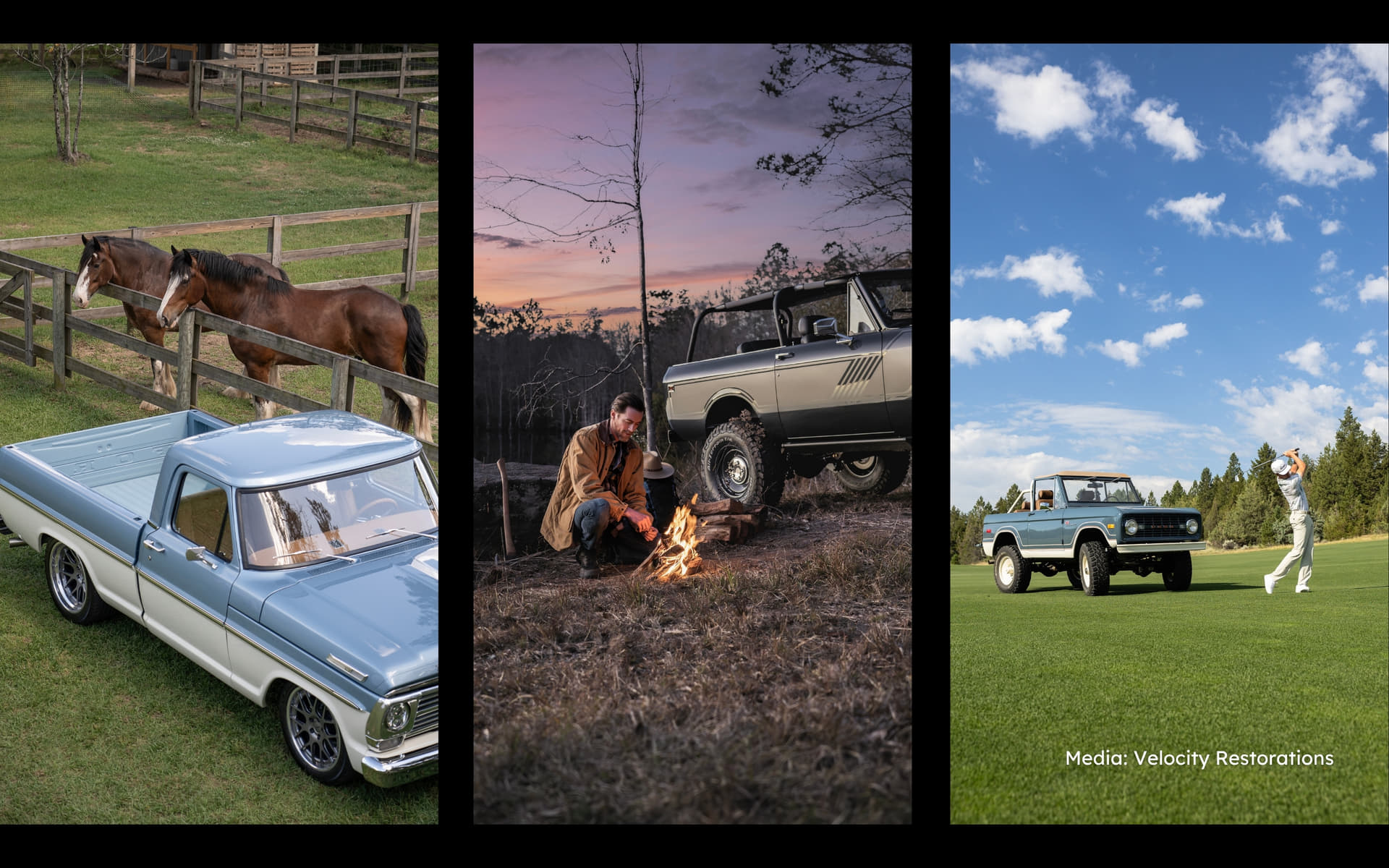
The thing is, nearly every person working in the automotive industry has a similar story about old friends or people they knew or worked with, and how a certain vehicle was at the center. And regardless of where you land in terms of your personal favorite vehicle, we all have “that one.” Maybe it was the family hauler your parents drove, the rugged pickup your grandfather turned wrenches on, or the sleek sports car your eccentric aunt and uncle cruised around in.
Perhaps, like me, you worked on an industry program that put you front and center with a particular vehicle or group of vehicles each day. Whatever the case, we all have that one vehicle that holds a special place in our hearts.
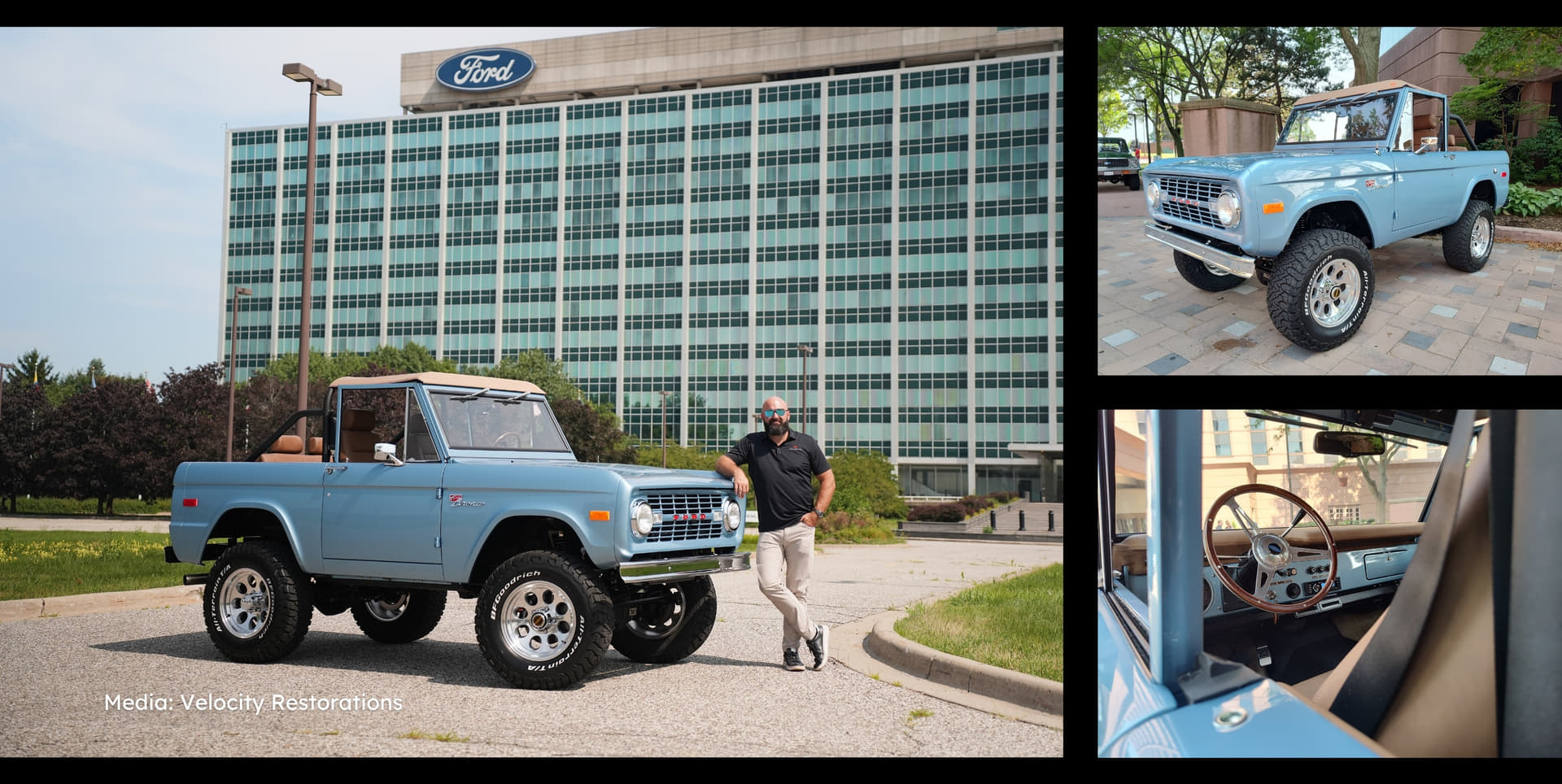
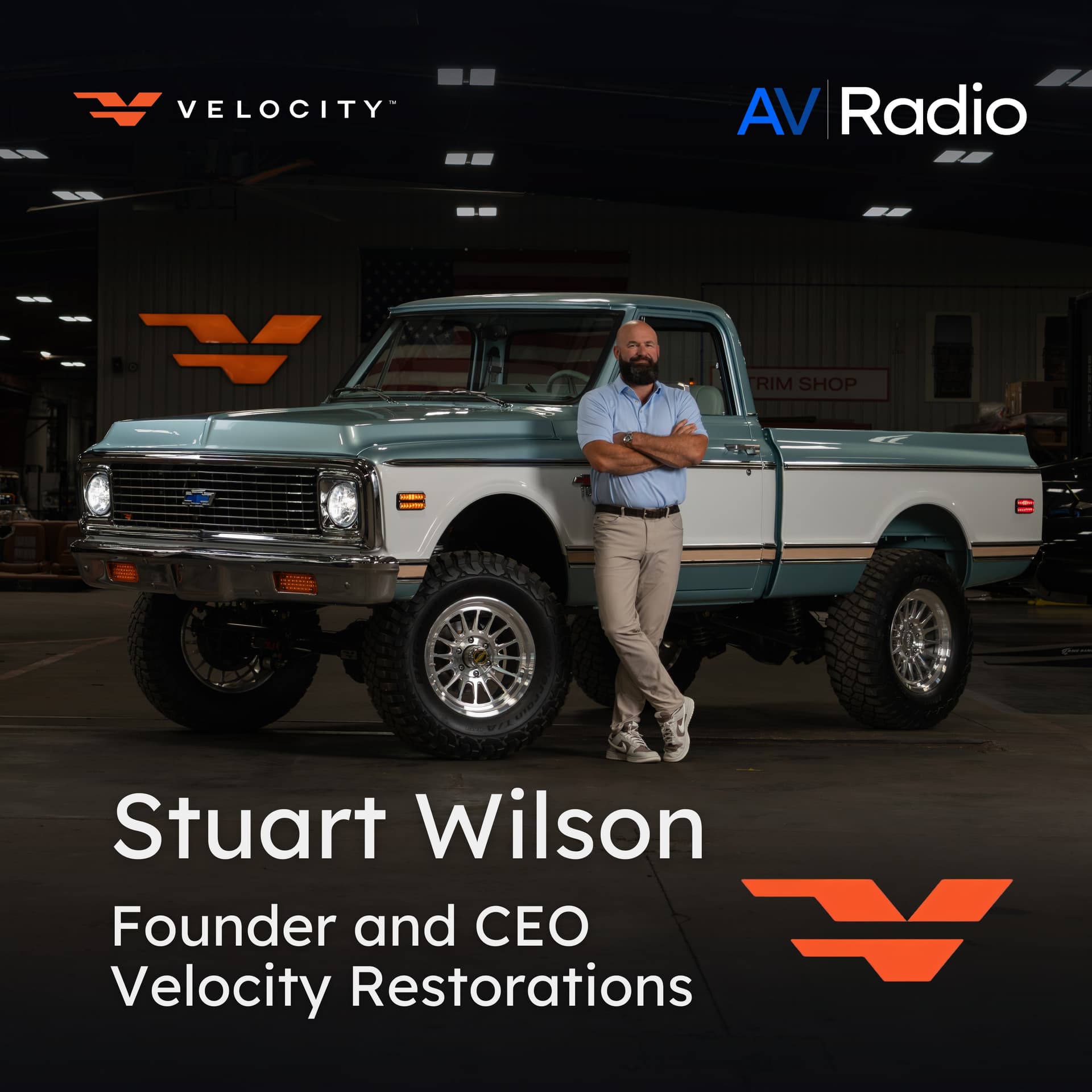
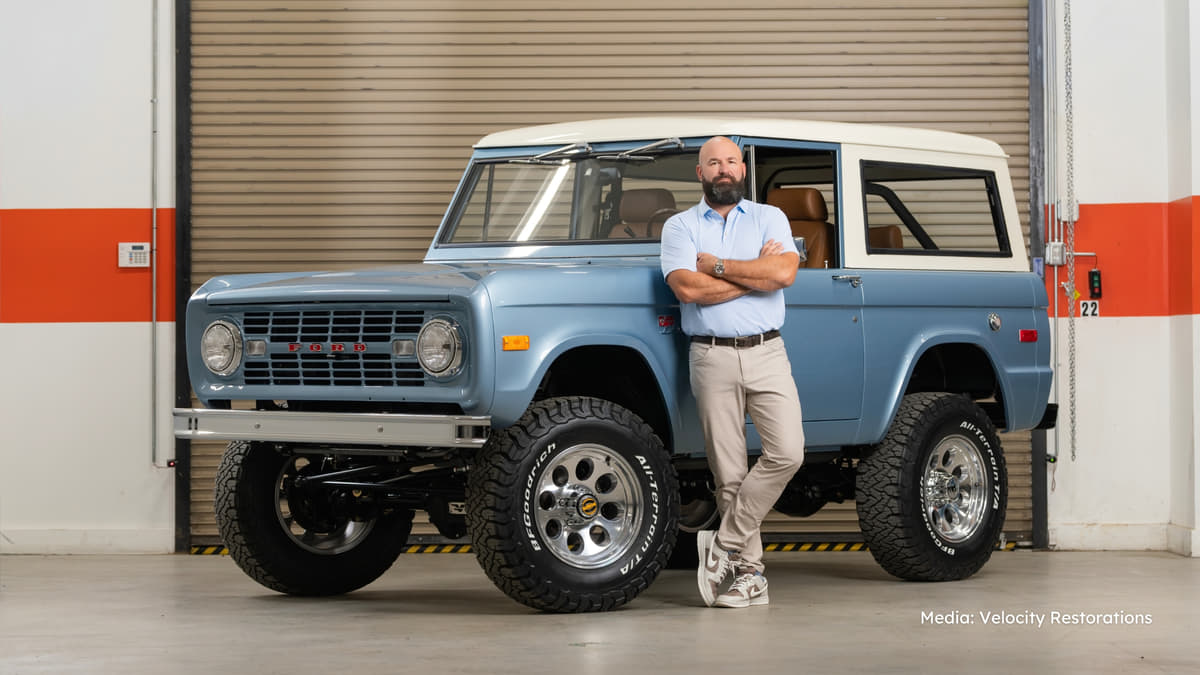
For U.S. Navy veteran and Velocity Restorations Founder and CEO Stuart Wilson, it was a first-generation Ford Bronco. And while he loved driving that old Bronco, Stuart found the restoration process a disjointed and frustrating endeavor, marked by long delays and a much-to-be-desired customer experience. As time went on, Stuart thought about how he could reimagine the typical restoration process, one in which clients would be thrilled to participate.
It is from this experience with Stuart’s old Bronco that Velocity Restorations was born. What began as a personal passion project and a small garage operation has now grown into one of the nation's leading bespoke builders of classic vehicles.
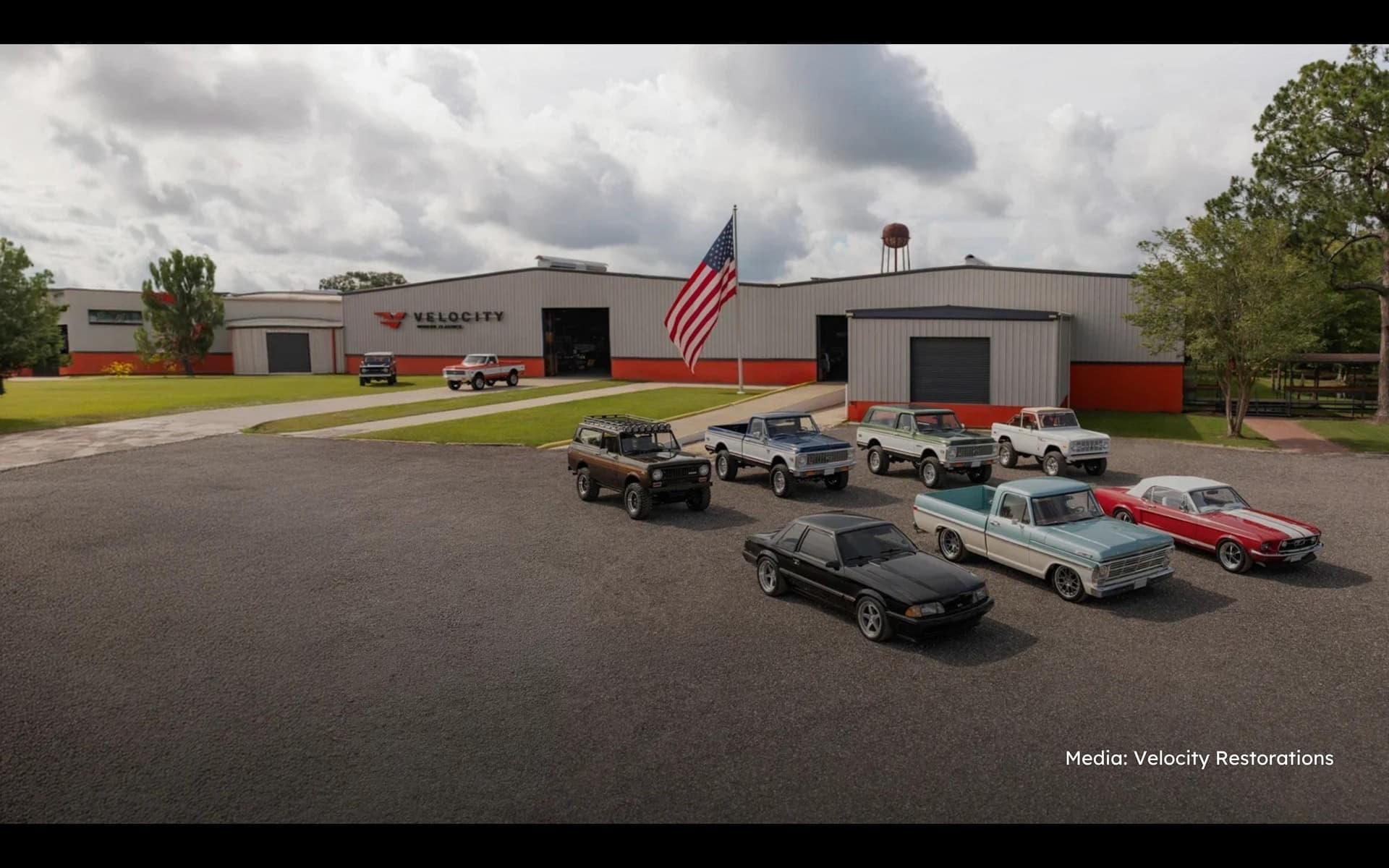
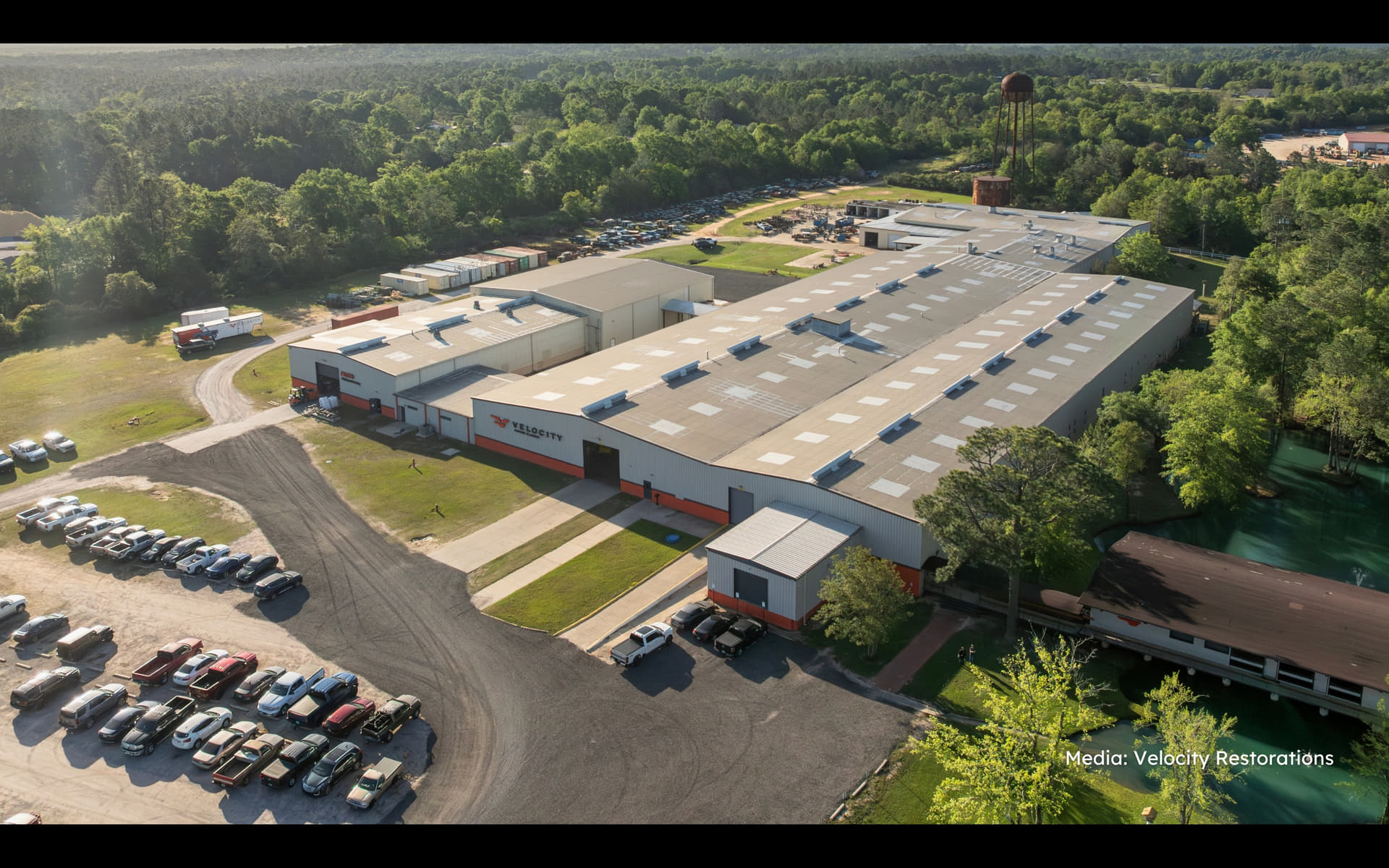
Today, Velocity operates from a 135,000-square-foot facility, where more than 170 specialists hand-build iconic trucks and SUVs that preserve the soul of the originals while delivering a modern driving experience.
Working on his first Bronco, Stuart realized that while enthusiasts loved the character of vintage vehicles, they also wanted the reliability, comfort, and performance that modern engineering and design provide. It is through his effort that a new category of vehicles emerged, known as the Re-Engineered Classic category.
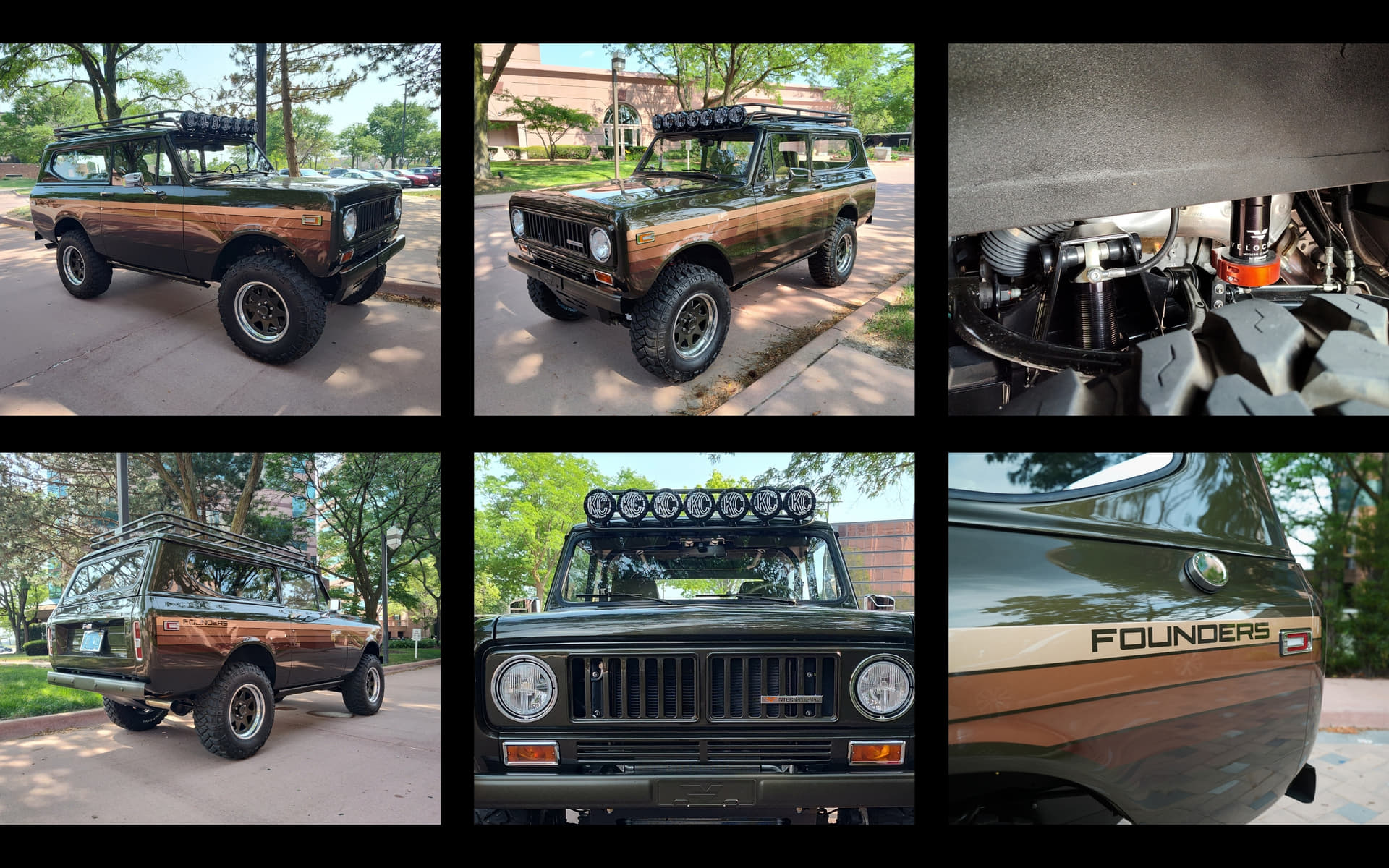
I had the opportunity to meet Stuart during an event at The Henry in Dearborn, Michigan. We jumped inside his personal truck, a Founder's Series International Scout, to talk shop. We discussed the difference between a restomod and a Re-Engineered Classic, how the buyer base continues to evolve, and why Velocity-built vehicles are meant to be driven, enjoyed, and even passed down.
“We really sell the lifestyle experience at Velocity Restorations,” Stuart told me, adding that Velocity trucks are meant for things like a day at the beach, where you are getting ice cream with the kids and tossing the surfboards in the back. It’s okay if there is sand all over the truck; they are designed for that.
“That's what we enjoy seeing,” Stuart said. “The trucks are meant to be enjoyed and driven and passed on.”