My first car, a 1991 Geo Storm, had a cassette tape player, one of its biggest selling points when my late father and I found it on a local lot in the fall of 1998. At the time, a cassette player was considered top-tier infotainment tech, especially for a high schooler about to buy his first car.
The benefit was twofold: I could listen to my actual cassette tapes, or insert a wired tape adapter connected to my Sony Discman, which meant my soon-to-be Geo technically had a CD player.
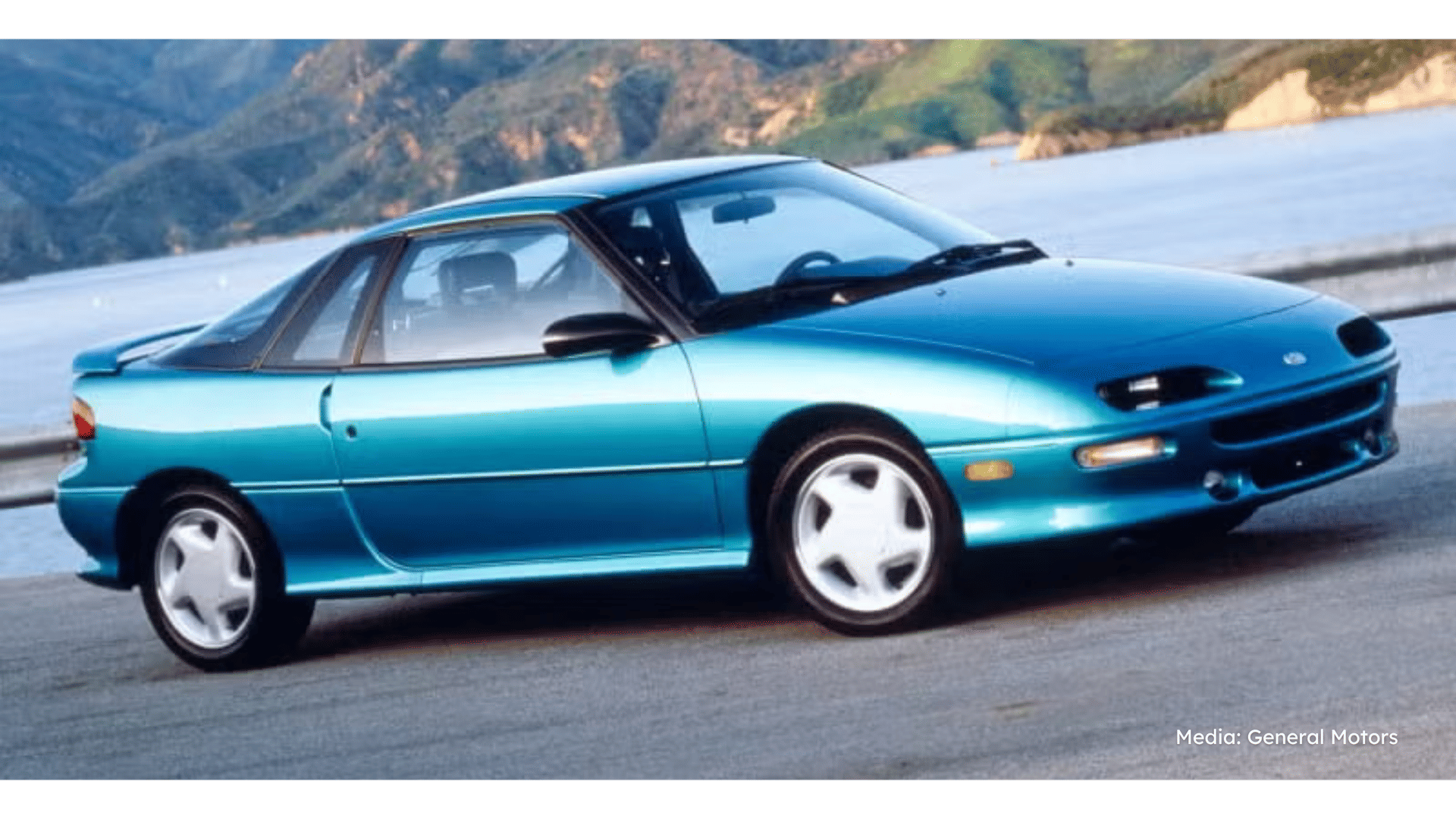
My parents helped me buy that Geo Strom with money I earned and saved sacking groceries at the local Fareway on the east side of downtown, under the shadow of the Blue Bunny North Ice Cream Plant. Different than the self-checkouts we see today, my high school buddies and I bagged the groceries of every customer who came through the line and assisted them with getting everything out to their vehicle.
As we loaded their grocery bags into their vehicle, we often struck up a conversation about what they were driving.
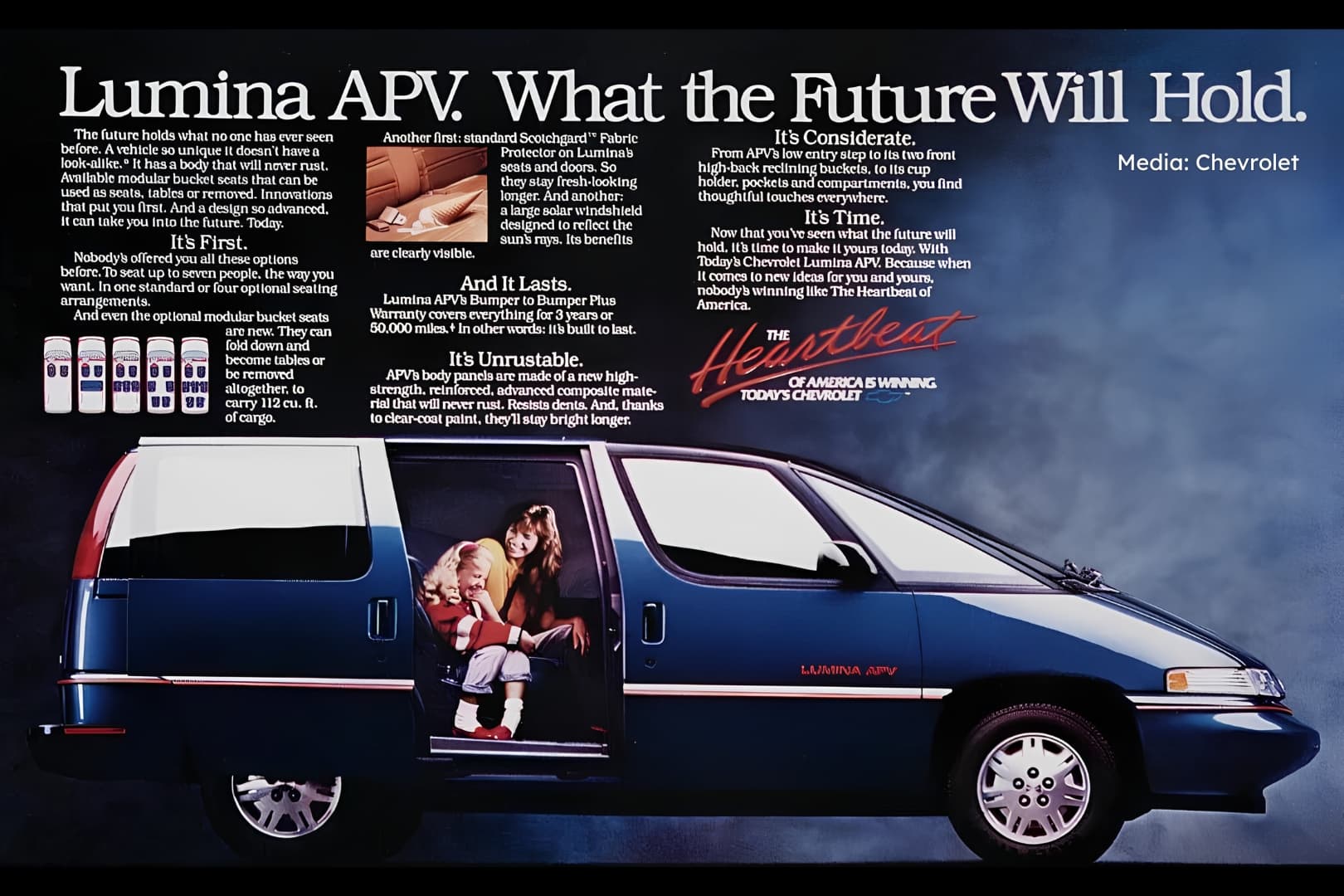
For example, Robin, one of the area bank managers, always wanted her 12-packs of soda loaded first, then the bags so they would rest on the 12-packs. She had a Chevrolet Venture because, in addition to it being roomy and comfortable for her kids, she was from a Chevy family.
At the time, the Venture was relatively new, introduced for the 1997 model year with a more traditional minivan style than its predecessor, the Lumina APV. Interestingly, Robin noted on several occasions she preferred the “out there” look of the Lumina APV she owned before her Venture.
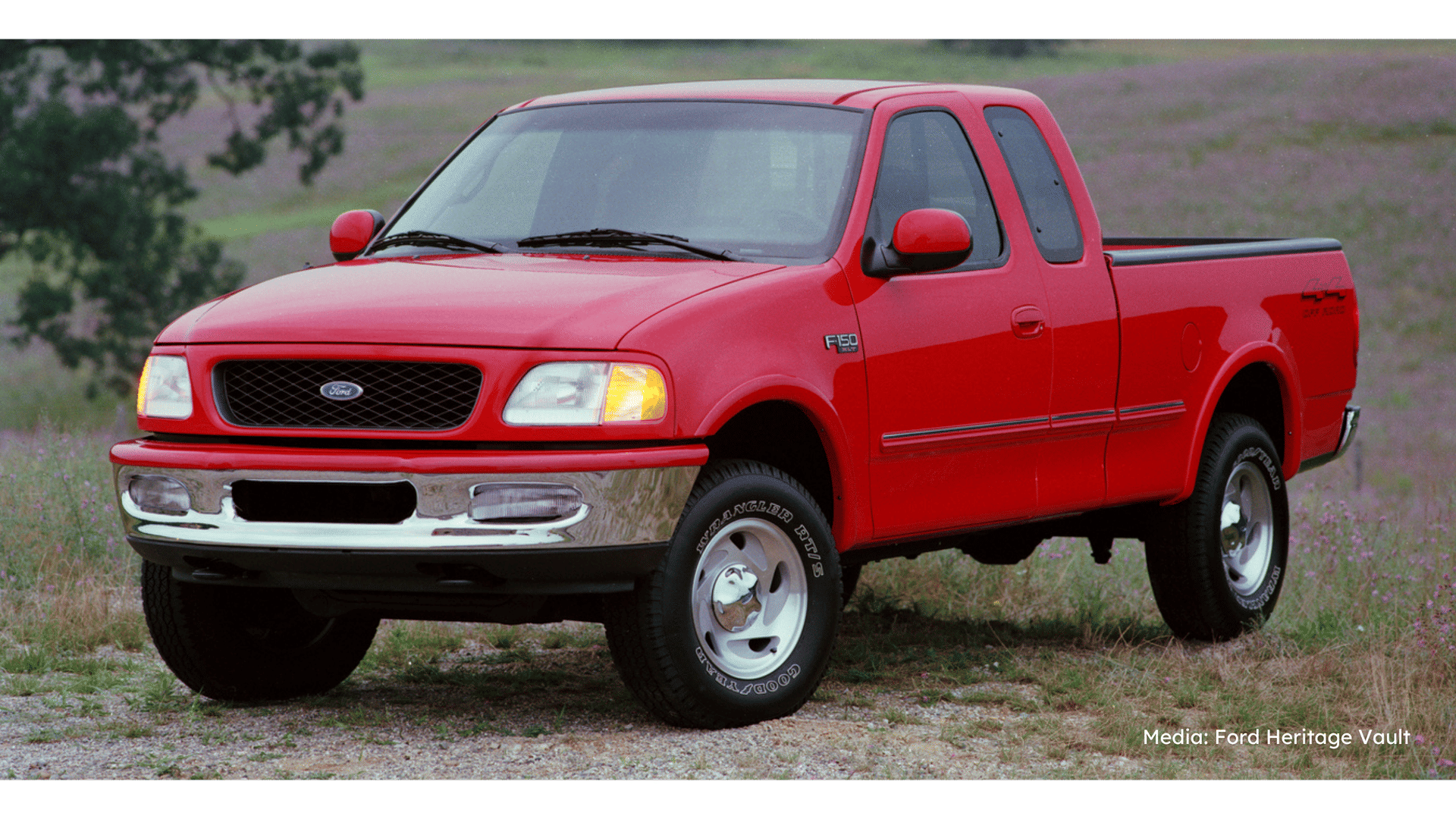
Brian, a warehouse supervisor and “loyal Ford man,” drove a 1997 F-150 strictly for enjoyment, with no plans to ever use it for anything demanding like towing because it was “too nice,” a sentiment that echoes through Patrick Bedard’s review of the truck for the March 1996 edition of Car and Driver. Brian often told us stock boys how nice the truck drove, but that he never went too fast because he wanted to “baby” the 5.4-liter V8 under the hood.
Meanwhile, Doug, who ran his family’s body shop just across the railroad tracks from Fareway, had a new GMC Sierra every couple of years. His trucks were always black, no exceptions, with a set of Putco box rails, Dee Zee nerf bars, and American Racing wheels. Doug, a repeat GM buyer, had one of the nicest personal trucks in town, though his shop wrecker was a chassis-cab F-350.
And, of course, plenty of Chrysler loyalists were in and around town, their sentiments toward the Auburn Hills automaker further reaffirmed by their ownership of either a Dodge Caravan or Plymouth Voyager.
During the late 1990s, and in our idyllic slice of Northwest Iowa life, brand loyalty was (or appeared to be) influenced by the logo on the hood and the insignia on the steering wheel. These days, brand loyalty may depend on a few more factors, especially for younger generations. It’s not always as straightforward as “My grandfather drove such and such brand, my father did, and now I do.”
The latest data from The Harris Poll and its 2026 AutoTECHCAST study shows how in-vehicle technology has become the clearest driver of brand loyalty among car buyers. Gen Z and millennials are quick to say the technology in their vehicle makes them want to buy from that brand again, and they're also arguably the most important generational cohorts for automakers to consider, especially in an era of software-defined cars.
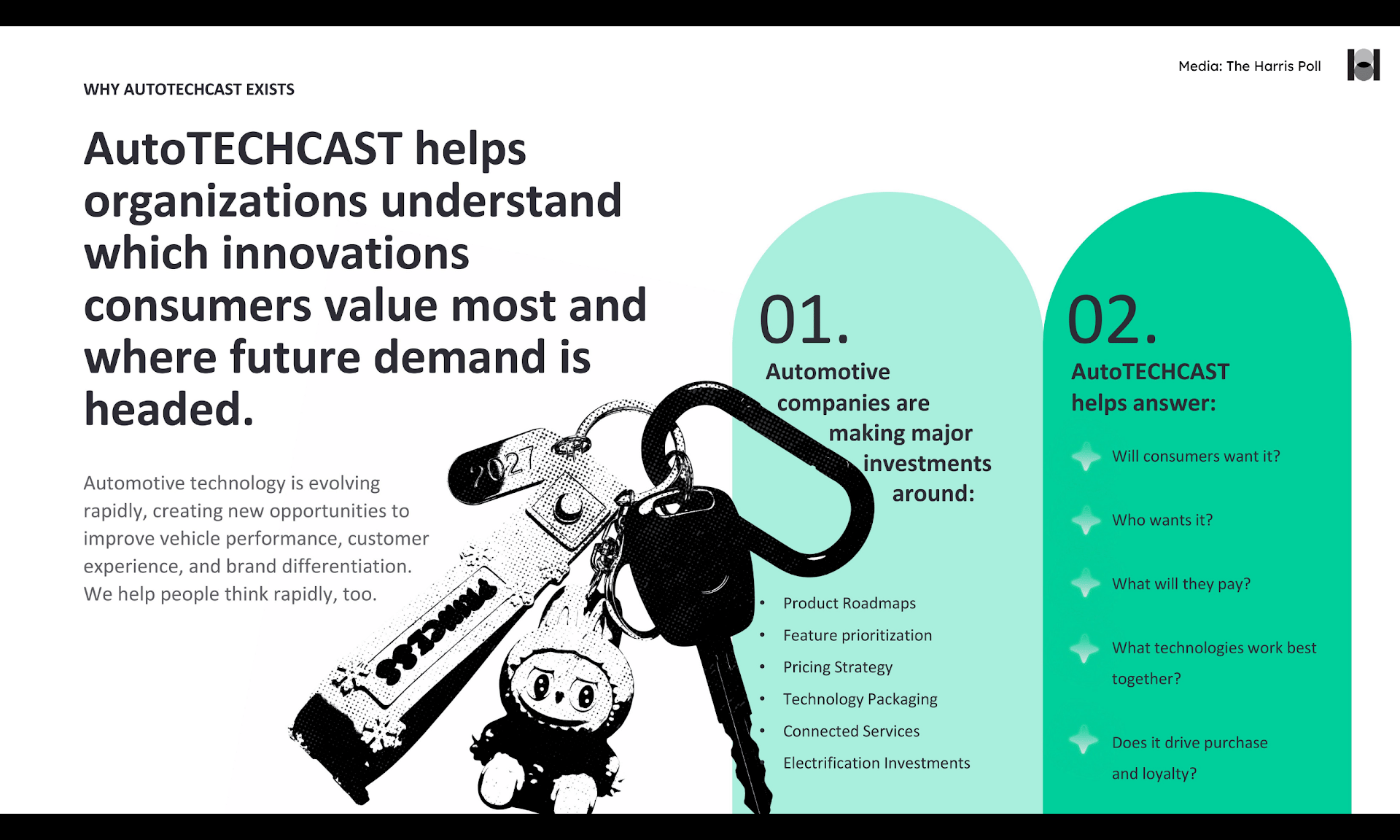
AutoTECHCAST has tracked how consumers respond to emerging automotive technology for more than 20 years. For the 2026 edition, researchers surveyed more than 10,000 U.S. vehicle owners about their familiarity with, interest in, and willingness to pay for 40 emerging technologies across eight categories, spanning everything from comfort and connectivity to powertrains and driver assist systems.
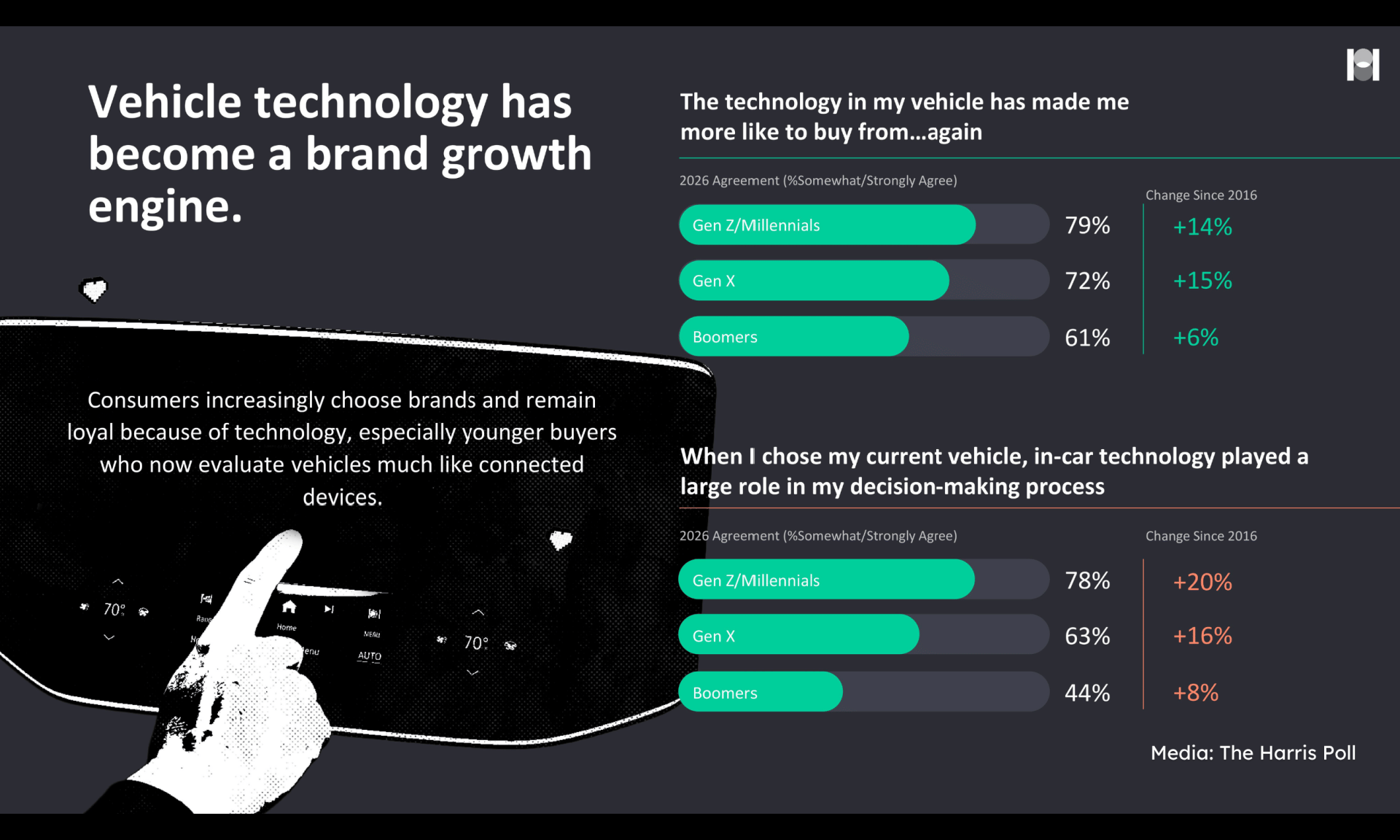
When it comes time to purchase their next vehicle, 78% of Gen Z and millennial respondents said the automaker’s technology offering plays a large role in their decision-making process, up 20 percentage points since 2016. Gen X respondents said the same at 63%, up 16 points, while Baby Boomers followed at 44%, up eight points.
It’s possible a parallel exists between younger generations placing so much importance on in-vehicle technology and how everyday life is structured on planet Earth during this era of human civilization. We can do everything now on our smartphone, from ordering takeout and checking the weather, to watching full-length motion pictures and, if the fates allow, finding true love with a well-timed right swipe.
If this larger connected world is so easily accessed by a pocket-sized device that has more computing power than early Space Age rocket ships, then it stands to reason, with as much time as we spend in our vehicles (i.e., the third space), we would also want access to that same world while driving.
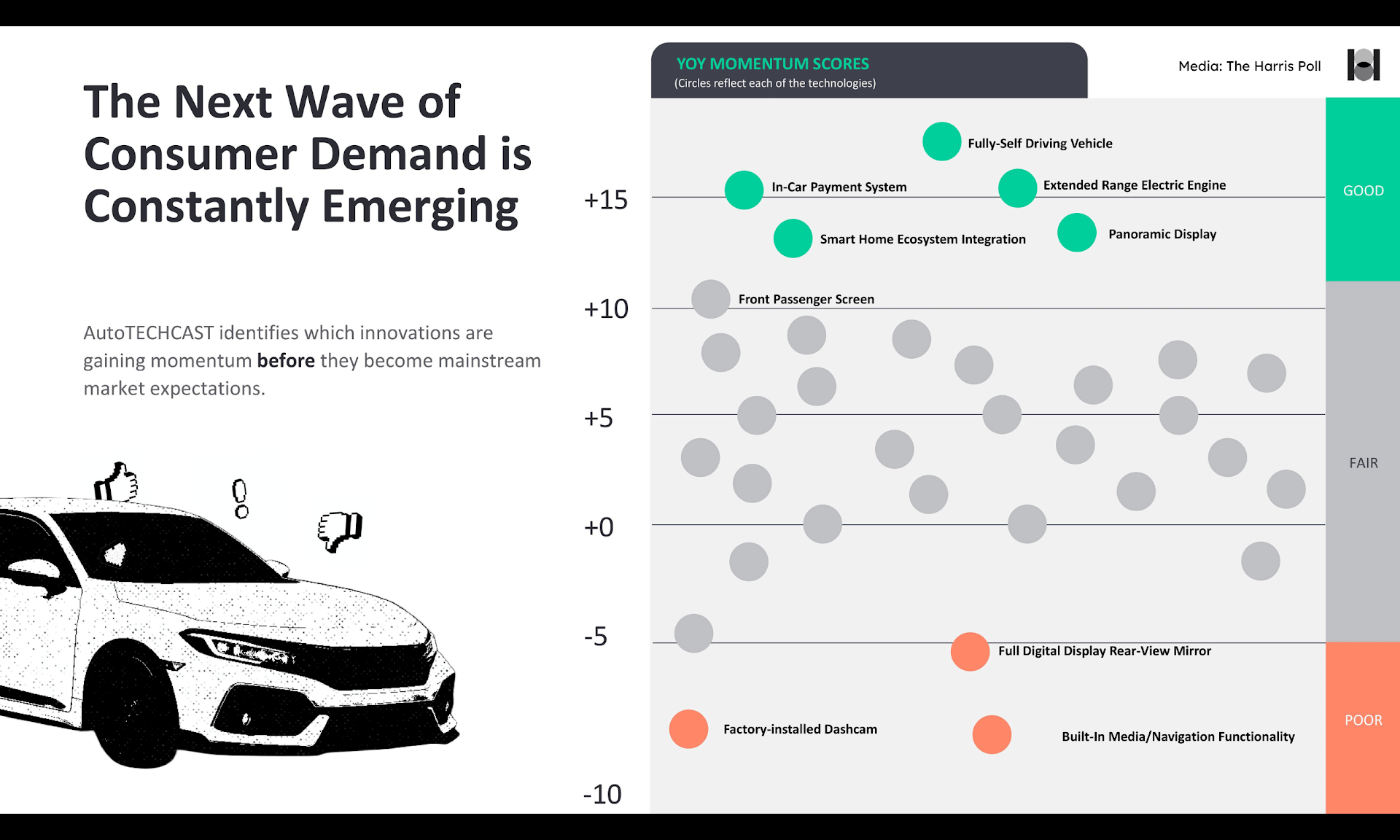
The 2026 AutoTECHCAST study and its findings certainly seem to indicate as much. Whether it's a specific innovation, like in-car payment systems and smart home integrations, or “technology” in a general sense, the data gathered by The Harris Poll suggests every automaker needs to invest accordingly.
Yet the desire for all things connected is offset by the longing to unplug, and the former may inspire the latter, at least in the automotive world anyway. Hagerty's Future of Driving survey, conducted in 2024, showed that younger generations are gravitating toward collector and vintage vehicles. While nearly half (47%) of respondents said they were interested in owning a classic car, Gen Z expressed greater interest at 60%, compared to 31% of Baby Boomers.
Meanwhile, nearly 80% of Gen Z respondents said they either love or like driving, while social media, film, and video games remain popular gateways into automotive culture.
Reading between the lines, one could surmise the algorithms that fuel our connected and social-media-inspired world will, on occasion, position a cool car on a young person’s smartphone. Should said car be vintage and fast and stylish, it elicits a desire to be away from it all, out on the open road with nothing more than the proverbial wind through your hair. Companies like Velocity Restorations, a Florida-based manufacturer that designs bespoke vehicles known as re-engineered classics, have seen an uptick in younger buyers who discovered them through platforms like Instagram.
Thus, it’s reasonable to imagine, when looking at all of these different data points, that automakers who produce reliable, affordable vehicles with practical technology that are fun to drive will be able to meet the needs of younger car buyers. That, and eye-catching exterior colors.
“The best part about this truck is the red paint,” Brian said as I was passing his grocery bags to him from the cart on a cool October Saturday afternoon in 1998. He tossed the last one on the front seat of the passenger side and closed the door, stepping back to admire the truck's bright red clear coat. “I can’t get over how good it looks when I wash it.”